
Safe Transportation in Richmond VA for Women Seniors and Caregivers
A safe ride is more than a vehicle arriving on time. For many people in Richmond, it means knowing who is behind the wheel, whether the driver will wait at the door, how a mobility aid will be handled, and what happens if an appointment runs late.
That matters for women traveling alone, older adults who no longer drive, and caregivers who coordinate rides around medical visits, errands, work, and family routines. Richmond has hospitals, clinics, retirement communities, grocery stores, churches, museums, and neighborhoods spread across the city and nearby counties. A ride that works well for a quick trip across town may not be the right fit for a senior going to a procedure or a caregiver arranging recurring transportation.
Safe transportation in Richmond VA starts with asking better questions before the ride ever begins.

A safe ride starts with trust before pickup
The first sign of a good transportation option is clarity. Riders and caregivers should know what to expect before anyone gets into the vehicle.
A safe provider should make basic details easy to confirm:
The driver’s name
The vehicle make, model, and color
The pickup time and location
The estimated drop-off time
The process for delays or schedule changes
The phone number to call if something does not look right
For women traveling alone, this level of detail can make a ride feel less uncertain. For seniors, it reduces confusion at pickup. For caregivers, it makes the trip easier to monitor from a distance.
Driver screening matters too. A transportation provider should be able to explain how drivers are selected, trained, and checked. Riders should not have to guess whether a driver understands patience, privacy, and basic assistance.
A safe ride should never feel rushed, vague, or improvised.
This is especially true for medical transportation. A person heading to VCU Health, Bon Secours, a specialty clinic, or a physical therapy appointment may be tired, anxious, or moving slowly. The driver needs to understand that the ride is part of the care experience, even if it is not medical care itself.
Look for providers that treat transportation as a responsibility, not just a route.
Women should look for visibility, control, and clear communication
Not every woman has the same safety concerns, and no transportation service should make assumptions. Still, many women pay close attention to who is picking them up, where the pickup happens, and whether the trip can be tracked or confirmed.
Strong communication helps. A safer ride option will give clear pickup details and allow riders or caregivers to confirm changes quickly. If a driver is running late, the rider should not be left standing outside without updates.
Pickup and drop-off locations also matter. In Richmond, some trips may involve busy downtown streets, hospital entrances, apartment complexes, shopping centers, parking lots, or residential neighborhoods with limited lighting. A safer transportation provider should help plan the safest practical meeting point.
For women traveling alone, useful safety features include:
Advance driver and vehicle confirmation
Direct communication with dispatch or support
Trip updates for a trusted contact when available
Clear rules against unplanned extra stops
A driver who respects personal space and conversation boundaries
The tone of the ride matters as much as the route. A driver should be polite without being intrusive. Riders should not feel pressured to share personal details, explain why they are traveling, or continue a conversation they do not want.
Control is a safety feature. The rider should know where they are going, who is driving, and how to get help if the plan changes.

Seniors need rides that match mobility and routine
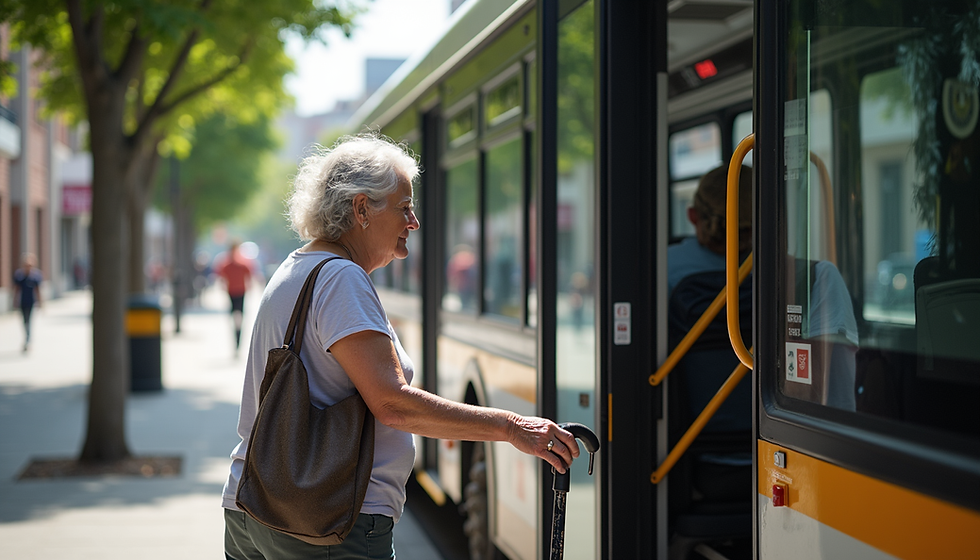
For many older adults, transportation safety includes the physical parts of the trip. Getting from the front door to the car can be harder than the drive itself.
A ride may be unsafe if the driver will only wait at the curb while the rider struggles with steps, a walker, a cane, or balance concerns. Seniors may need extra time, a steady presence, and a vehicle that is easy to enter and exit.
The right questions can prevent problems:
Will the driver assist from the door to the vehicle?
Is there room for a walker, cane, or folding wheelchair?
Can the rider get in without climbing too high?
Will the driver wait until the person is safely inside the destination?
What happens if the appointment runs late?
Can the ride be scheduled in advance?
For seniors, predictability is part of safety. A regular pickup window, familiar process, and calm driver can lower stress. This is especially helpful for recurring appointments, adult day programs, dialysis visits, therapy sessions, grocery trips, or visits with family.
Care should also be taken with cognitive changes. A rider with memory concerns may need more than curb-to-curb service. They may need a driver who confirms the destination, speaks clearly, and waits until the person is safely received by a caregiver, receptionist, or family member.
That does not mean the driver provides medical care. It means the transportation provider understands real life. Older adults often need patience, not speed.
For families comparing options, ask whether the service offers door-to-door or door-through-door assistance. Those phrases can mean different things depending on the provider, so ask for a plain explanation.
A good answer sounds specific. A vague answer is a warning sign.
Caregivers should choose transportation that reduces mental load
Caregivers often manage transportation while also tracking medications, appointments, insurance details, meals, mobility needs, and work schedules. A ride service can either lighten that load or add to it.
The best transportation option for caregivers is one that communicates clearly and follows instructions. If a loved one needs to be picked up at the side entrance of a clinic, the driver should receive that note. If the rider uses a walker, that should be part of the booking. If the caregiver needs a confirmation when the rider arrives, the provider should explain whether that is possible.
Helpful caregiver-friendly features include:
Advance scheduling for recurring rides
Pickup and drop-off confirmations
Notes about mobility aids or assistance needs
Clear cancellation and wait-time policies
A real way to reach someone if plans change
Consistent service standards across drivers
Caregivers should also ask how the provider handles common Richmond-area challenges. Medical campuses can be confusing. Apartment buildings may have multiple entrances. Some neighborhoods have limited parking. Traffic can change around events, school hours, construction, or weather.
A safe transportation provider does not need to control every variable. It does need a plan.
For example, if a medical appointment runs late, does the rider call dispatch? Is there a grace period? Can the return ride be adjusted? If the driver cannot find the rider, who gets contacted first?
These details may feel small until the day something goes wrong.
The safest transportation plans are built around ordinary delays, not perfect conditions.
Caregivers should write down the rider’s needs before booking. This makes it easier to compare providers without relying on memory.
Include notes such as:
Uses a walker
Needs help getting to the car
Cannot stand outside for long
Prefers the front seat or back seat
Needs a low step-in vehicle
Must be escorted to the reception desk
Has hearing or vision limitations
Gets anxious with rushed drivers
Clear needs lead to better matches.

The vehicle and driver should fit the trip
Not every ride needs the same level of support. A healthy adult going to dinner may only need a basic ride. A senior recovering from surgery may need help getting settled. A person using a wheelchair may need a vehicle that is designed for safe access.
The safest choice depends on the trip.
For routine errands, look for punctual pickup, clean vehicles, and courteous drivers. For medical appointments, ask about wait times, return trips, and assistance from the door. For mobility needs, ask what equipment the vehicle can safely carry.
Do not assume every transportation option can handle every need.
A strong provider should be honest about what it can and cannot do. If a rider needs wheelchair-accessible transportation, the provider should confirm the vehicle type and securement process. If a rider only has a folding wheelchair and can transfer into a car seat, that is a different situation. Those details matter.
Vehicle safety basics still count:
Clean interior
Working seat belts
Safe entry and exit
Proper space for mobility aids
Comfortable temperature
No overcrowding
Driver focused on the road
The driver’s behavior may be the clearest sign. Safe drivers do not speed to make up time. They do not text while driving. They do not get irritated when a rider moves slowly. They do not dismiss a caregiver’s instructions.
They also preserve dignity. A senior should not feel like a burden because they need help. A woman should not feel uncomfortable because a driver crosses a boundary. A caregiver should not feel ignored after explaining a need.
Respect is not extra. It is part of safety.
Red flags should be taken seriously
Some warning signs are obvious. Others are easier to excuse when everyone is busy.
Trust the pattern. If a provider is hard to reach before the ride, it may be hard to reach during a problem. If pickup details keep changing without explanation, the ride may not be reliable. If the driver seems annoyed by mobility needs, the service may not be a good fit for seniors.
Watch for these red flags:
No clear driver or vehicle information
Vague answers about screening or training
Pressure to accept a ride that does not fit the rider’s needs
Poor communication about delays
Drivers who rush, argue, or ignore instructions
Vehicles that are difficult or unsafe to enter
No clear process for missed pickups
Confusion about where the rider should be dropped off
A single late arrival can happen to any service. A lack of communication is different. So is a dismissive attitude.
For medical rides, missed details can have larger consequences. A late arrival may mean a missed appointment. A confusing pickup spot may leave an older adult standing too long. A rushed transfer can increase the chance of a fall.
When safety is the priority, convenience should not be the only measure.

A simple checklist before booking a ride
Choosing transportation becomes easier when the questions are clear. Before booking, use this quick checklist.
Confirm the rider’s needs
Does the person walk independently, use a cane, use a walker, or need wheelchair access? Can they wait outside? Do they need help getting from the door to the vehicle?
Confirm the trip details
What is the exact pickup address? Which entrance should the driver use? Is the destination a main entrance, side entrance, clinic building, or private home?
Confirm the support level
Will the driver provide curb-to-curb, door-to-door, or more hands-on assistance? What does that mean in practice?
Confirm communication
Who gets called if the driver is late, the rider is not ready, or the appointment runs long? Can a caregiver receive updates?
Confirm policies
Ask about cancellations, wait time, return trips, mobility aids, and service limits.
Confirm comfort and dignity
The provider should speak respectfully, answer questions clearly, and treat safety concerns as reasonable.
Safe transportation is not only about avoiding danger. It is about making the whole trip feel manageable. The best rides give women more confidence, help seniors stay connected to daily life, and give caregivers one less thing to worry about.
For Richmond residents and families, the right ride should be clear, respectful, reliable, and suited to the person taking it. If a provider cannot explain how it keeps riders safe, it may not be the right provider. If it can answer practical questions with patience and detail, that is a much better place to start.


Comments